The Root System: Why True Healing Begins Below the Surface

The Root System: Why True Healing Begins Below the Surface

Insight can be illuminating, but insight alone rarely transforms a life. Many people understand their patterns with incredible clarity. They can name their triggers, their attachment wounds, and the ways they self-protect. Yet change remains out of reach. This is because insight requires an internal foundation to take root.

The Willow Method begins by strengthening what I call the root system. These roots grow in three directions.

Why True Healing Begins Below the Surface

The first root is internal permission. This is the ability to allow yourself to feel or express something without apologizing for it. People who grew up with emotional invalidation often understand their needs intellectually but struggle to believe they are allowed to have them (Linehan, 1993).

The second root is internal capacity. This refers to the nervous system’s ability to hold emotional experience without shutting down. Capacity does not grow through pressure. It grows through relational safety and gradual expansion. The concept of a window of tolerance reflects this need for a regulated zone where the body can process safely (Ogden, Minton, and Pain, 2006).

The third root is internal coherence. This is the capacity for different parts of the self to work together rather than compete. Internal conflict often keeps people stuck. Approaches that emphasize collaboration among inner parts, including IFS, support lasting healing by fostering internal harmony (Schwartz, 2021).

When these roots are strong, change becomes possible. Boundaries form naturally. Emotional patterns soften. Stability begins to feel organic rather than effortful. Growth does not feel like a battle anymore. It feels like something your system knows how to do.

If you are ready to build your own root system with care and intention, I would be honored to be part of that journey. 

References
Linehan, M. M. (1993). Cognitive behavioral treatment of borderline personality disorder. Guilford Press.

Ogden, P., Minton, K., & Pain, C. (2006). Trauma and the body: A sensorimotor approach to psychotherapy. Norton.

Schwartz, R. (2021). No bad parts. Sounds True.

contact us
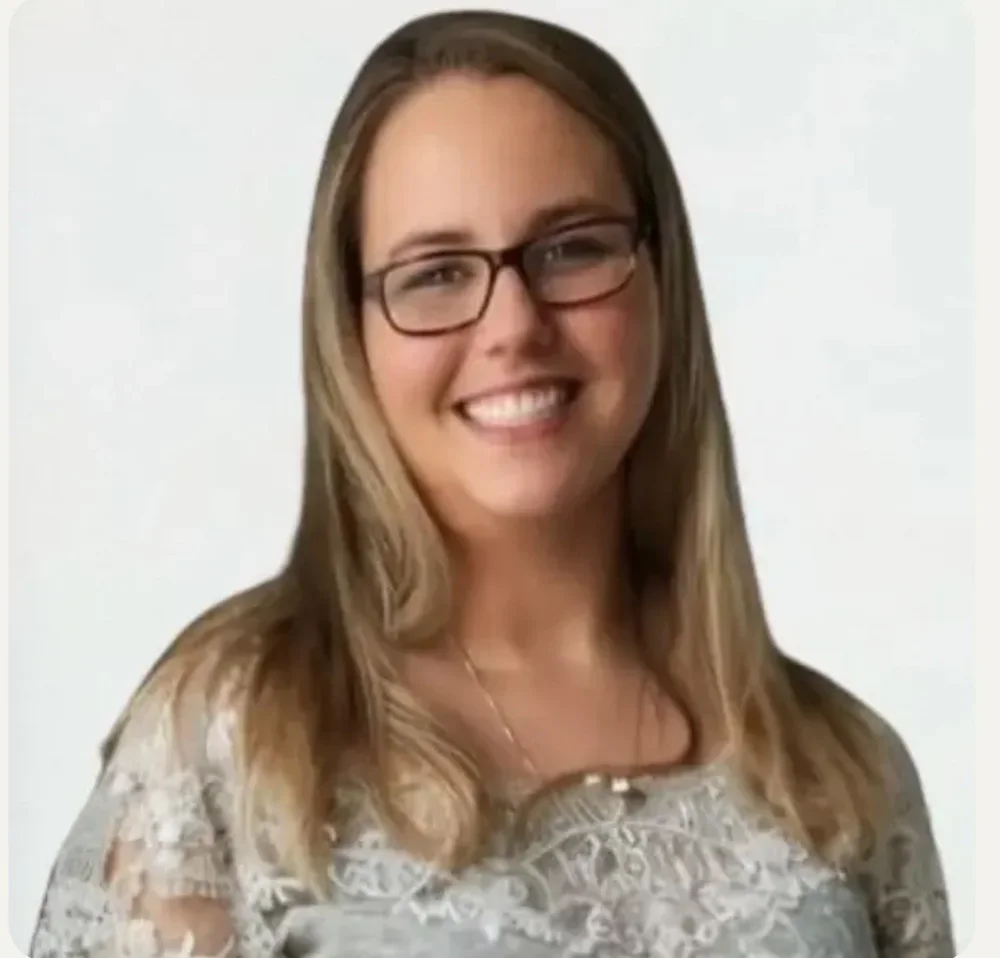
Mandy Proskovec, LMSW
My background

I am a Licensed Master Social Worker (LMSW) in Texas, and my path into this work has been shaped as much by life experience as by formal training. I’ve worked in mental health for over a decade including private practice, supporting people through seasons of loss, trauma, and change. Along the way, I’ve trained in EMDR and DBT-informed skills. I am certified in Religious Trauma and love working with attachment/relational trauma and parts work. At the heart of my practice is a relational and psychodynamic approach. That means I pay attention not only to the skills and tools that help in the moment, but also to the deeper patterns and stories that shape how you experience yourself and your relationships. 

My view on counseling

I believe therapy is a place to slow down and truly feel seen. Many of us carry burdens from early relationships, faith communities, or past experiences that leave us feeling disconnected, unworthy, or “too much.” In counseling, we will work together to make sense of those patterns and create space for healing. My role is not to “fix” you, but to walk alongside you, offering steadiness, curiosity, and compassion as you reconnect with your values and discover new ways of being with yourself and others.

My specialties
  • Healing from trauma and PTSD, including attachment and religious trauma

  • Grief and anticipatory loss

  • Anxiety, depression, and shame

  • Parenting challenges and intergenerational patterns

  • Chronic stress, illness, and caregiver burnout

  • Life transitions, identity development, and meaning-making,

  • LGBTQIA+ affirming

  • Serving teens (13 and up) and Adults

Next
Next

Emotional Bending: The Heart of the Willow Method